Before You Freeze Your Forehead, Stop Folding It for 2,920 Hours a Year
Botox may address muscle-driven movement. It cannot create a physical barrier between your face and the pillow pressing against it every night.

Most anti-wrinkle conversations begin after the line is already visible. They focus on creams, injections and what happens during the day.
But side sleepers can spend roughly eight hours pressing the same forehead, eye and cheek zones into a pillow—then repeat that pattern night after night.
That is the blind spot: treating the line without addressing the nightly fold.
Eight hours per night multiplied across a year. The exact number varies, but the point is impossible to ignore: sleep is the longest repeated contact event in a skincare routine.
Botox and Pillow Pressure Are Not the Same Problem
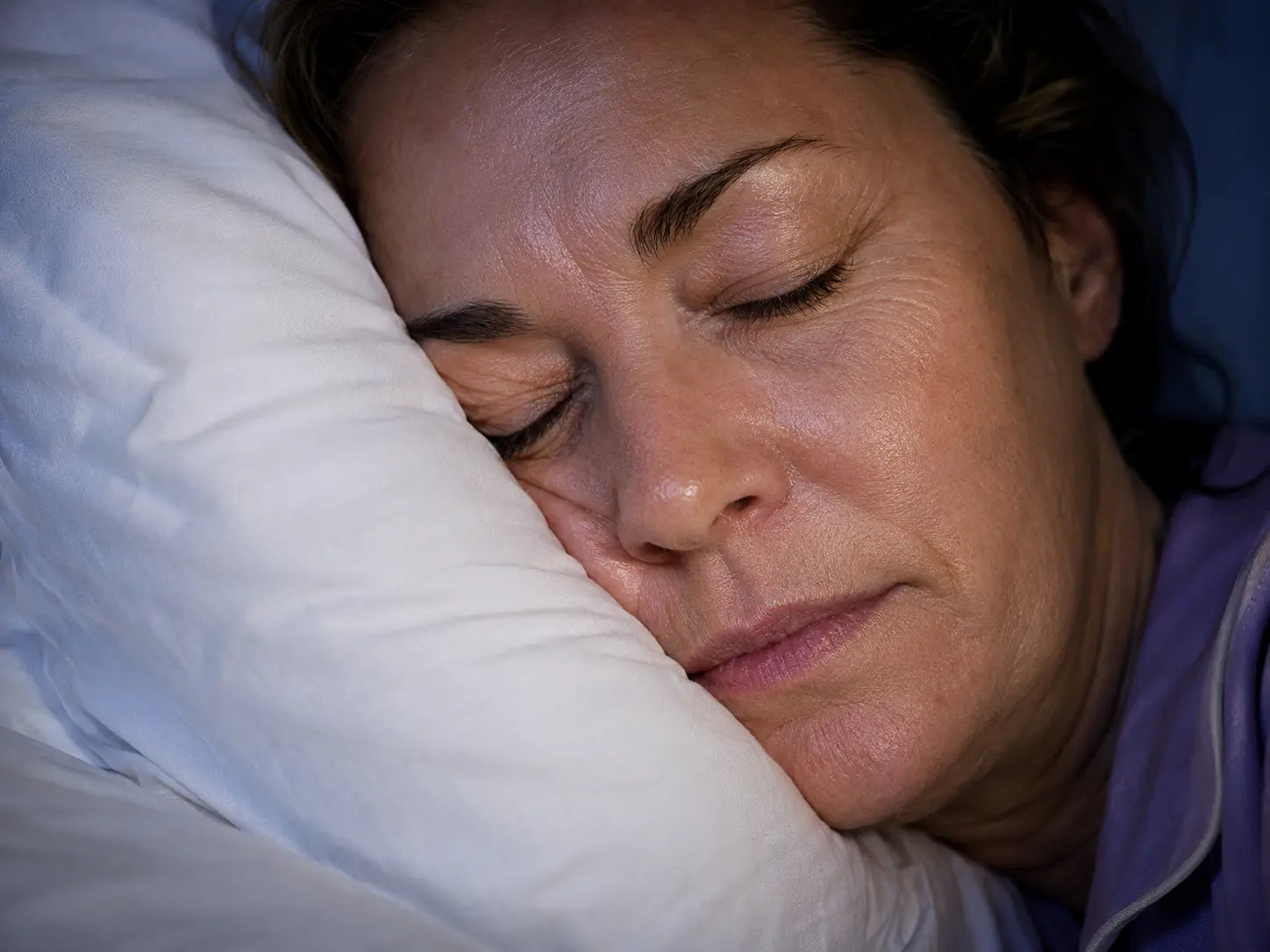
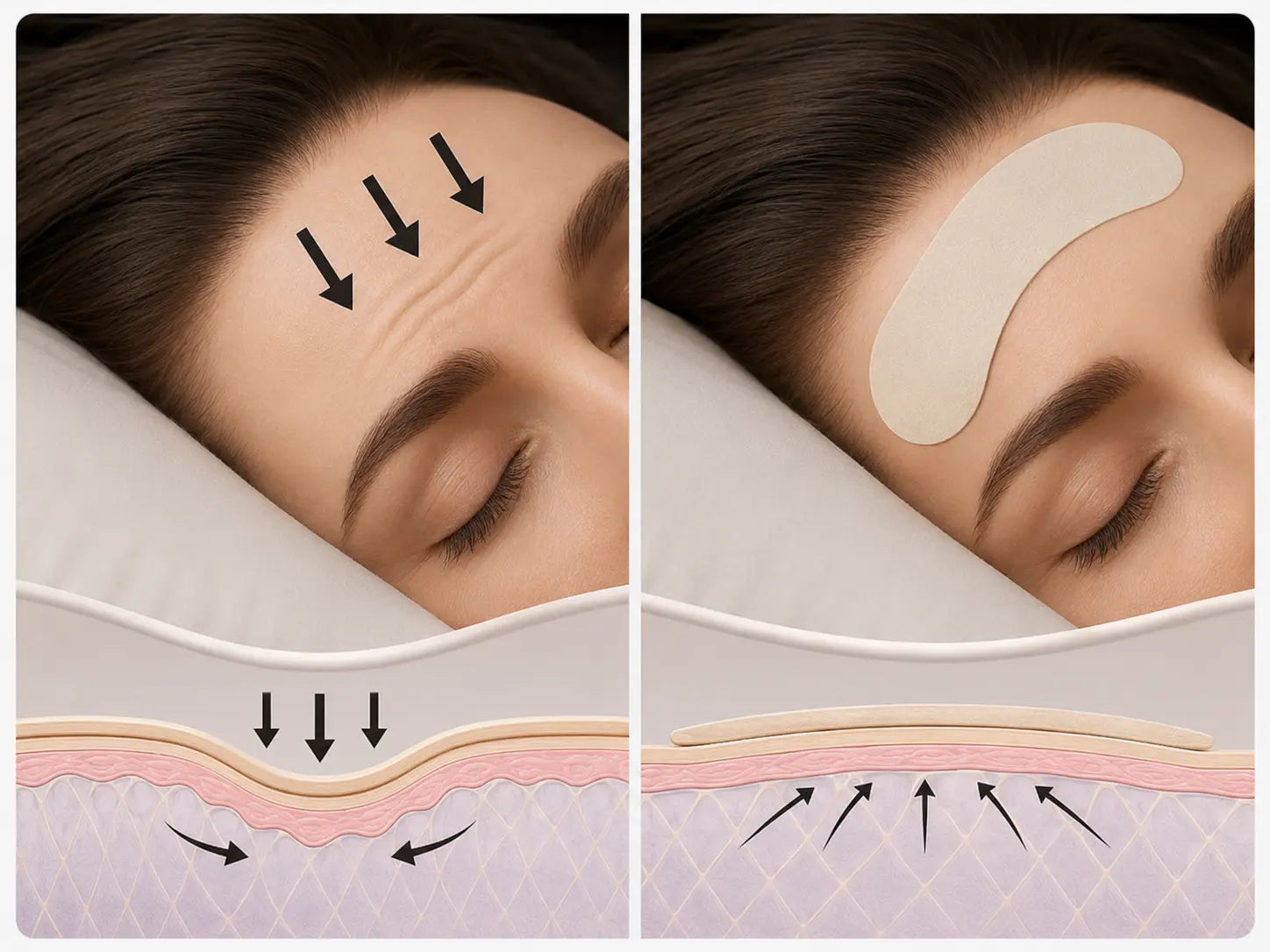
Injectables and FaceTape work in completely different ways. Botox is used to reduce certain muscle-driven movements. A pillow creates external pressure and folding. One does not physically remove the other.
Muscle Movement
- Frowning and expression
- In-office treatment category
- Different biological mechanism
Pillow Compression
- External pressure and folding
- Repeated sleeping position
- Physical support while worn
The Same Zones Meet the Pillow First
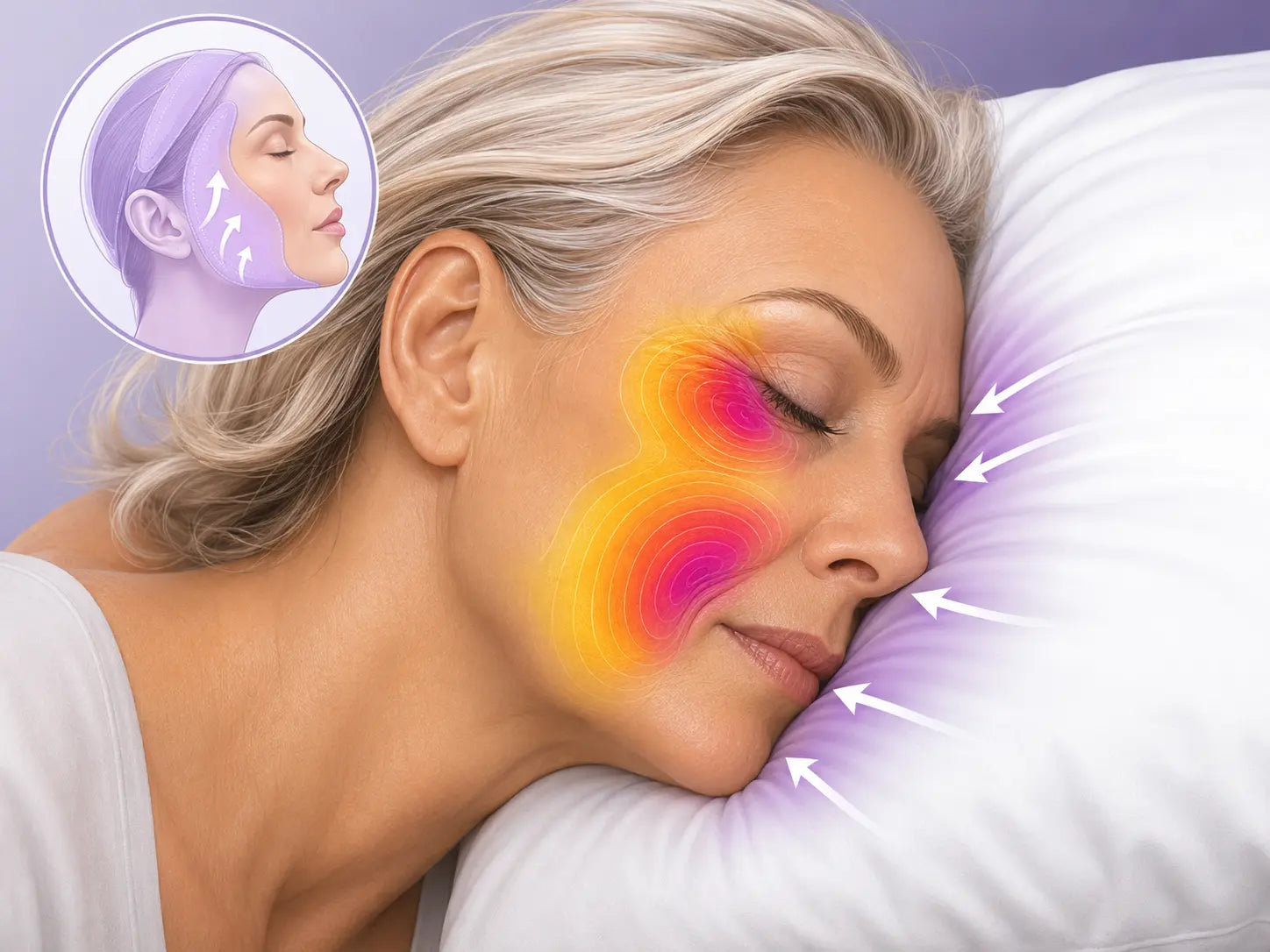
Published aesthetic literature has discussed sleep wrinkles as patterns influenced by compression and sleep position. That is why a one-sided morning pattern can matter: it points to a physical nightly variable, not just another missing ingredient.
View the Aesthetic Surgery Journal discussion of sleep wrinkles.
Before treating the line again, what happens if the same area gets support during the hours it normally folds?
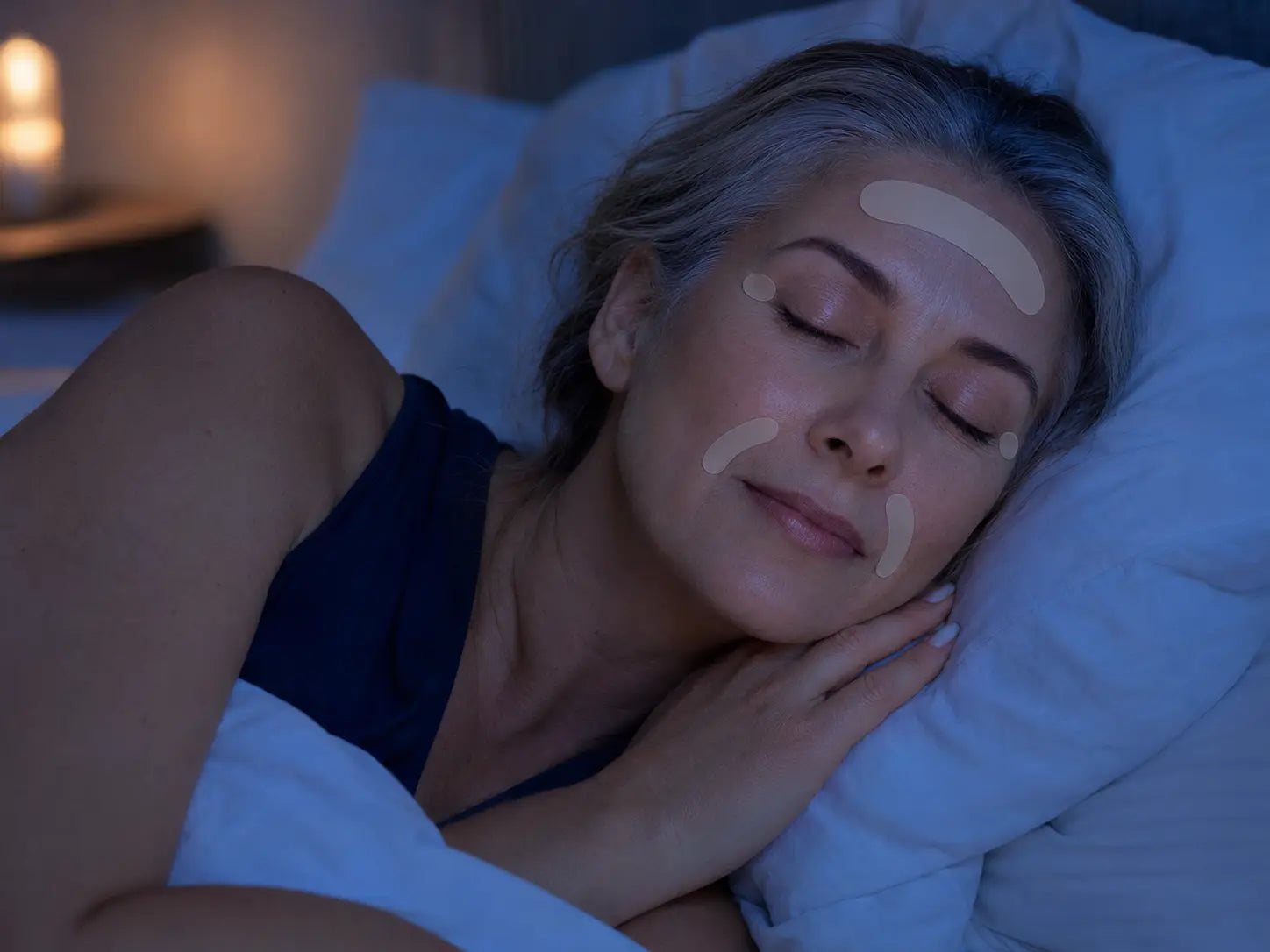
The Overnight Crease Shield
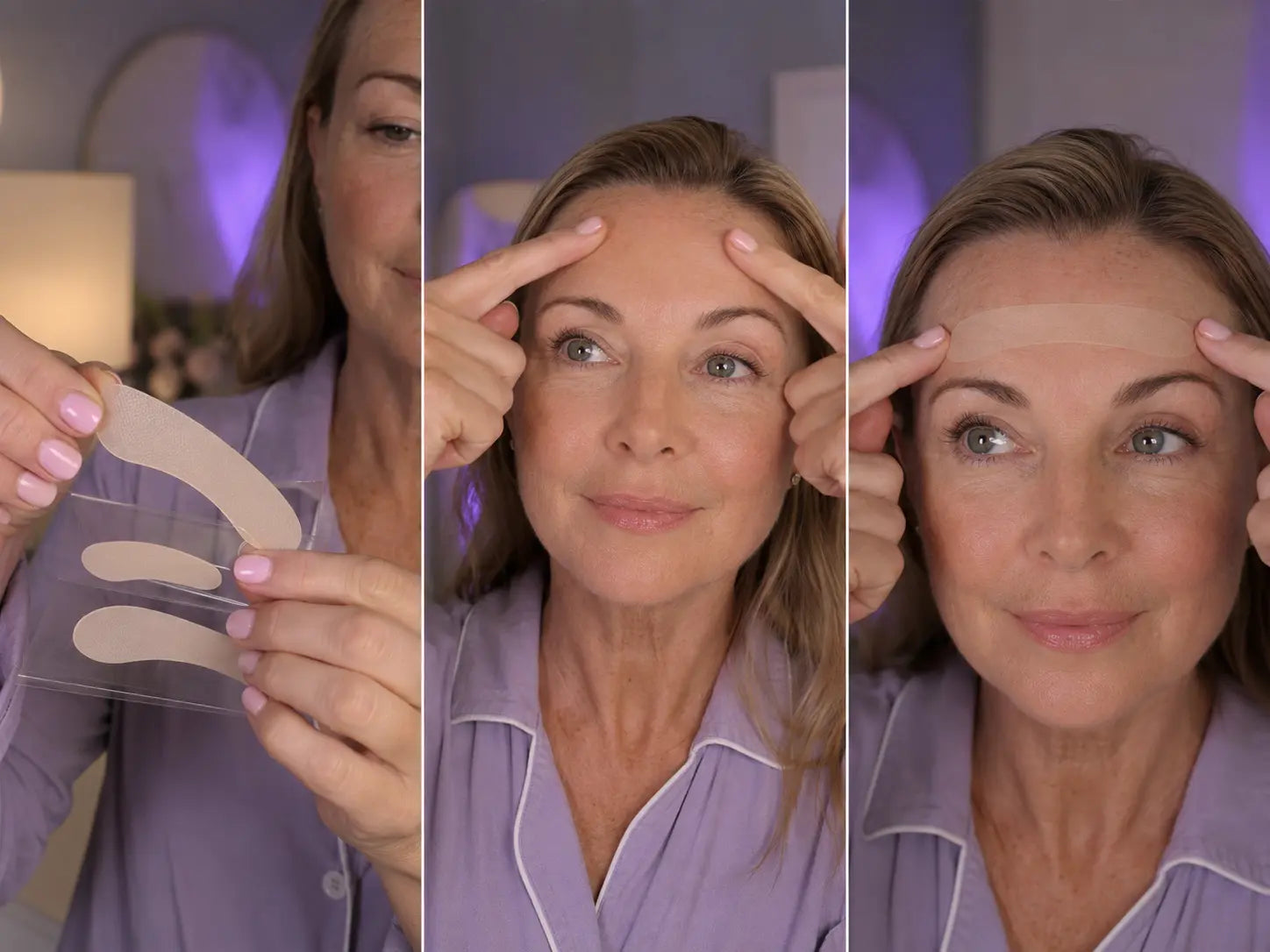
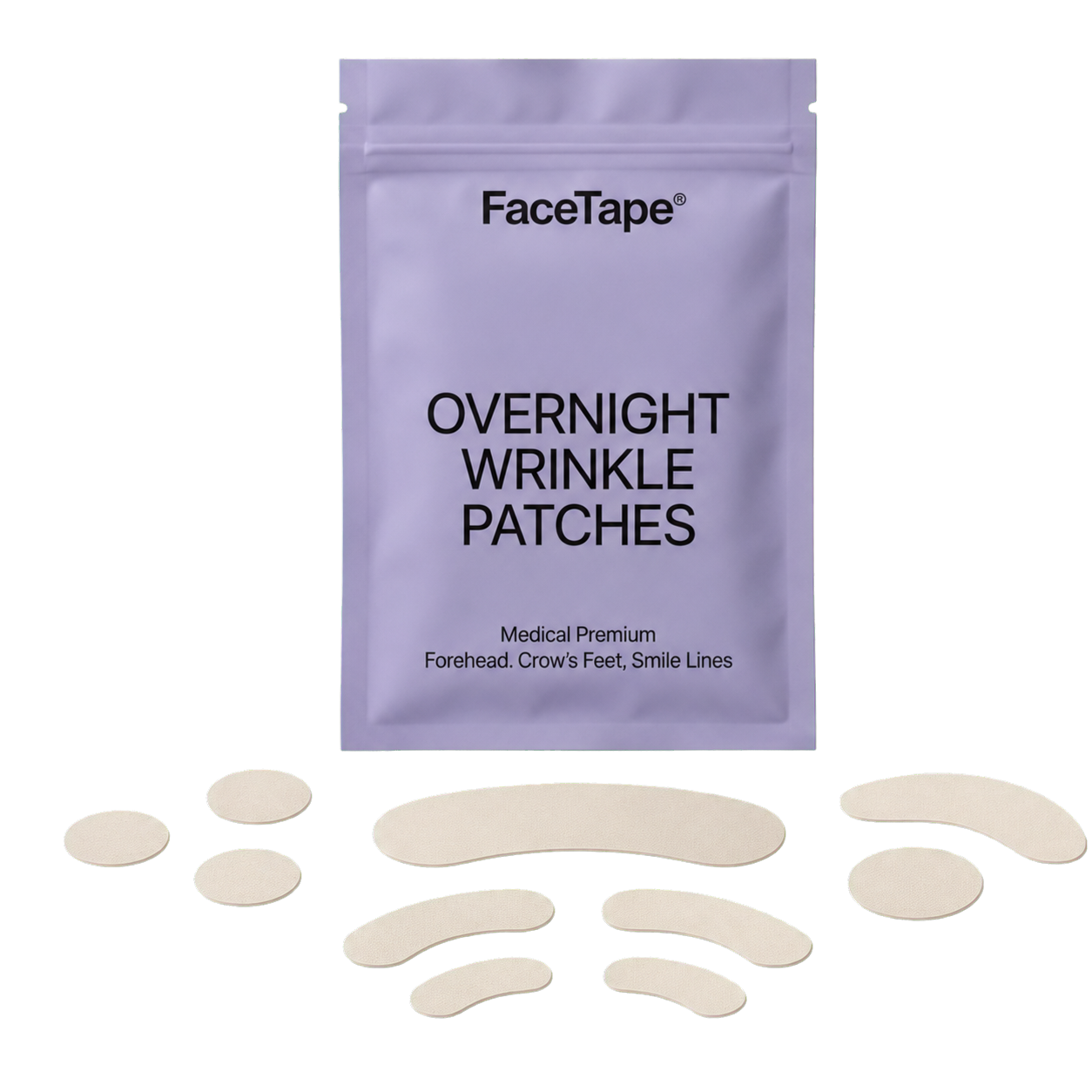
FaceTape uses thin, pre-cut adhesive patches to support the chosen forehead, crow’s-feet and smile-line zones while worn.
- Medical-grade adhesive
- Pre-cut facial shapes
- No needle or appointment
- Remove slowly in the morning
Peel. Smooth. Place. Sleep.
Start With the Nightly Variable
Thirty pre-cut patches. Thirty nights to judge the routine from your own mirror.
Why FaceTape Became Their Final 30 Seconds Before Bed

JN★★★★★Fresher when I wake up
“My fine lines have faded a lot, and my face looks fresher when I wake up.”
Julia N. · Verified Buyer✓ Verified purchase
KA★★★★★Softer-looking forehead lines
“My forehead lines look softer every morning, and my skin feels smoother.”
Kelly A. · Verified Buyer✓ Verified purchase
YB★★★★★Part of my nightly routine
“FaceTape has become part of my nightly routine. Such a simple product.”
Yade B. · Verified Buyer✓ Verified purchase
Stop Treating Only the Morning. Start Supporting the Night.
Use FaceTape consistently on the zones that normally crease and decide from your own mornings—not somebody else’s promise.
$29.95 ADDRESS THE NIGHTLY FOLD › 30 pre-cut patches · 30-day money-back guaranteeBefore You Try It
Is FaceTape the same as Botox?
No. FaceTape is a cosmetic adhesive patch that physically supports targeted skin while worn. It is not an injectable and does not claim to create the same biological effect.
When do I apply the patches?
Let skincare absorb, make sure the placement area is clean and dry, smooth the skin and apply the pre-cut patch as the final step before bed.
Where can I place FaceTape?
The pack contains shapes for forehead, crow’s-feet and smile-line zones. Follow the product directions and never apply to broken or irritated skin.
What should I realistically expect?
FaceTape works physically while worn. Individual experiences vary, and consistent use provides the fairest personal test.
Sponsored advertorial created by FaceTape. Individual results may vary. FaceTape is a cosmetic product and does not replace professional medical advice. References to Botox describe a different product category and are provided for consumer comparison only.